
THE COACHES
GOOD COACHING
CHANGES THE
WORK.
A program tells you what to do. A coach sees how you’re doing it, knows when to adjust and understands when you’re ready for more.

Scroll to meet the coaches
THE TEAM
PEOPLE WHO KNOW
WHAT TO LOOK FOR.
Different backgrounds. Different strengths. One responsibility: pay attention to the person doing the work.
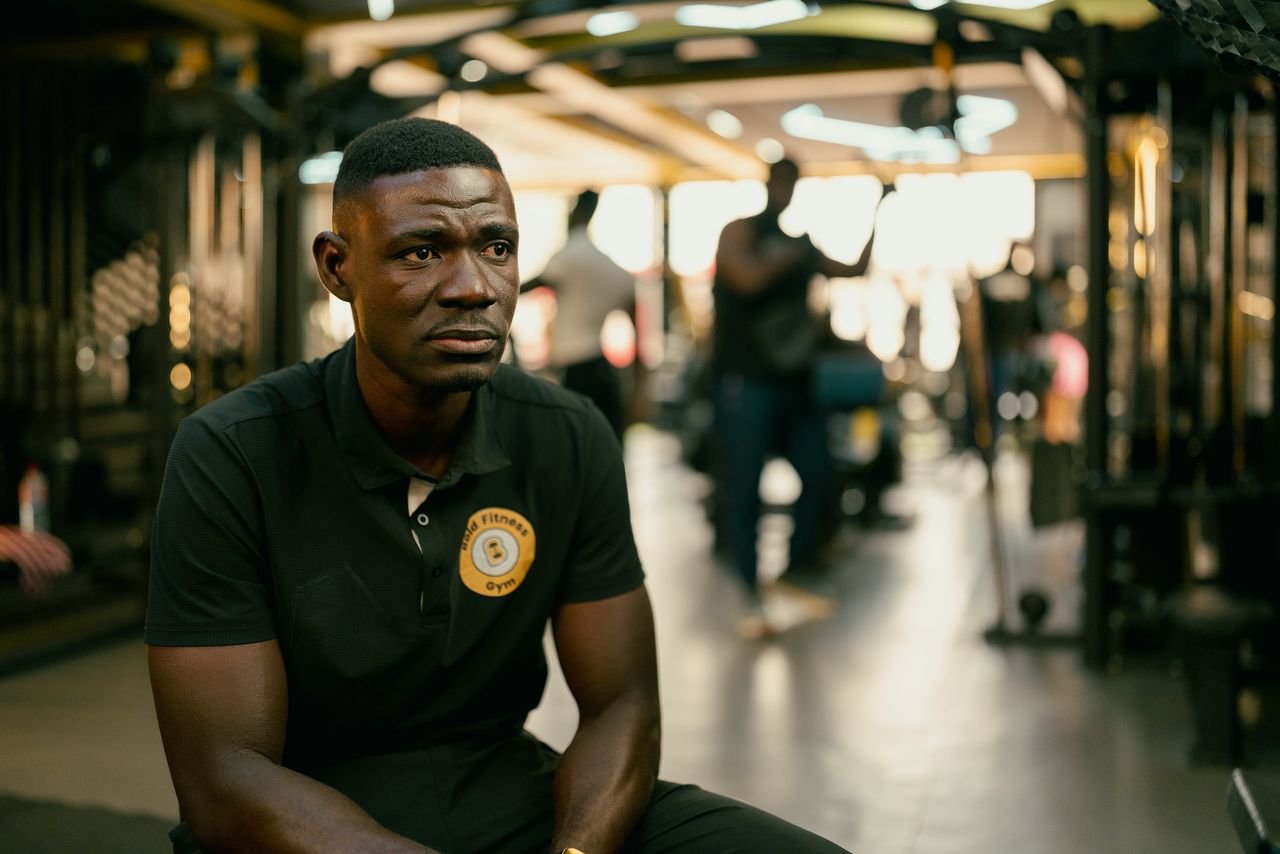
MARCUS REED
HEAD COACH · STRENGTH & PERFORMANCE
BUILD THE BASE. EARN THE NEXT STEP.
Marcus works with members who want to become genuinely stronger without losing sight of movement, capacity or longevity. His coaching is direct, measured and built around progress that can be sustained.
CSCS · USA WEIGHTLIFTING LEVEL 2 · 10+ YEARS COACHING
ELENA TORRES
COACH · STRENGTH & MOVEMENT
MOVE WELL ENOUGH TO TRAIN HARD.
Elena focuses on the relationship between strength, movement quality and confidence under load. She helps members understand positions, improve technique and build strength they can actually use.
CSCS · FRC MOBILITY SPECIALIST · 7+ YEARS COACHING

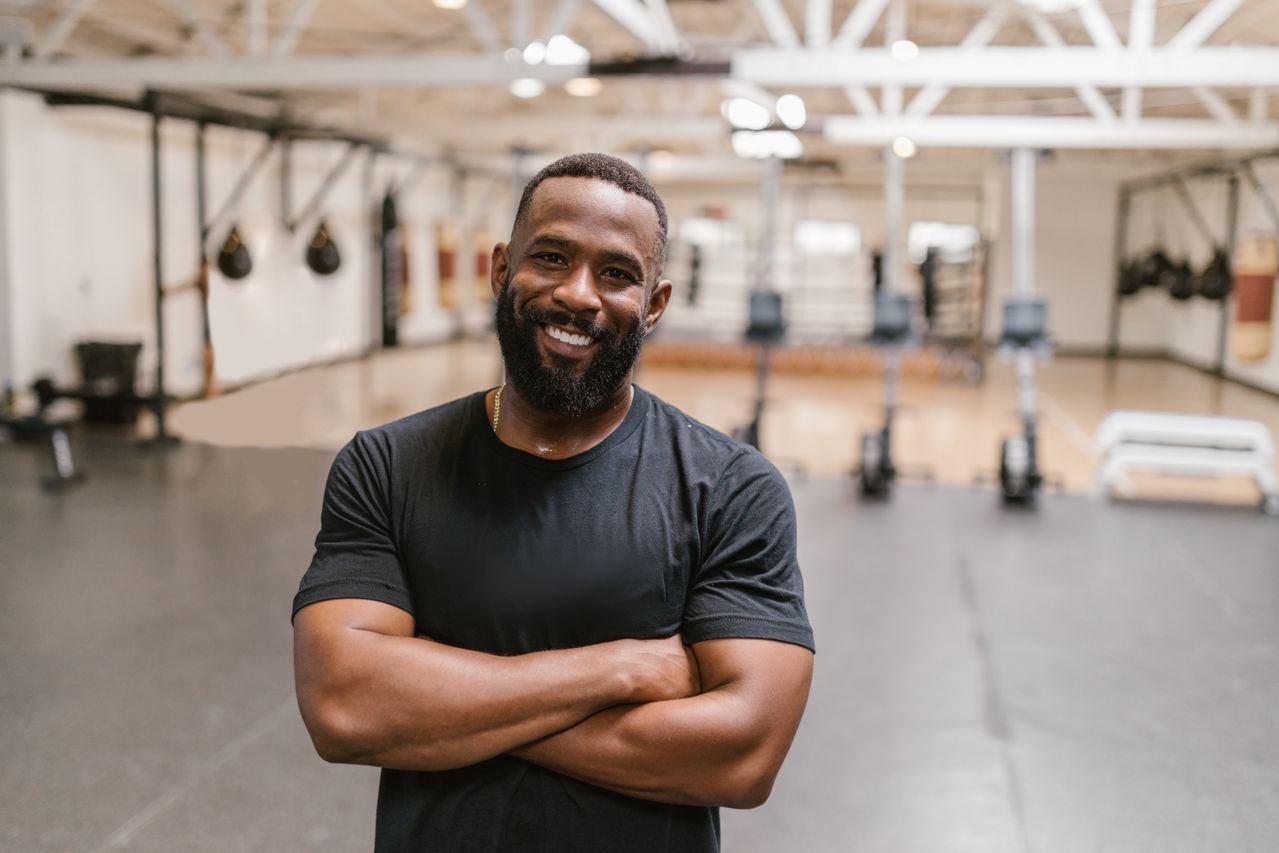
JULIAN CARTER
COACH · CONDITIONING & PERFORMANCE
CAPACITY IS BUILT, NOT TESTED EVERY DAY.
Julian coaches conditioning with purpose. His work helps members build the engine to sustain effort, recover well and perform when the demands increase — without turning every session into a test.
NSCA-CPT · CROSSFIT LEVEL 2 · 8+ YEARS COACHING
MAYA BENNETT
COACH · FOUNDATIONS & PERSONAL COACHING
START WHERE YOU ARE. COACH WHAT’S IN FRONT OF YOU.
Maya works closely with newer and returning members, turning uncertainty into clear, manageable work. Her coaching prioritizes fundamentals, individual attention and building the confidence to keep progressing.
NASM-CPT · PRECISION NUTRITION LEVEL 1 · 6+ YEARS COACHING

THE COACHING STANDARD
ATTENTION IS
PART OF THE JOB.
Good coaching isn’t about being the loudest person in the room. It’s knowing what to watch, what to change and when to let the work speak for itself.
PAY ATTENTION
See the person, not just the program. Coaching starts with watching how you move, how you respond to the work and what changes from session to session.
MAKE IT CLEAR
You should understand what you’re doing and why. Good cues are specific. Good explanations are useful. The goal is clarity you can carry into the next rep.
ADJUST WHEN NEEDED
The plan serves the person — not the other way around. Load, movement, volume and approach can change when the situation calls for it without losing the purpose of the session.
KNOW WHEN TO PUSH
Progress sometimes requires more. A coach should know when you’re capable of another rep, more load or a harder progression — and when forcing it would add nothing.
COME TRAIN
PUT GOOD COACHING
BEHIND THE WORK.
Choose the level of support that fits how you want to train and start building from there.